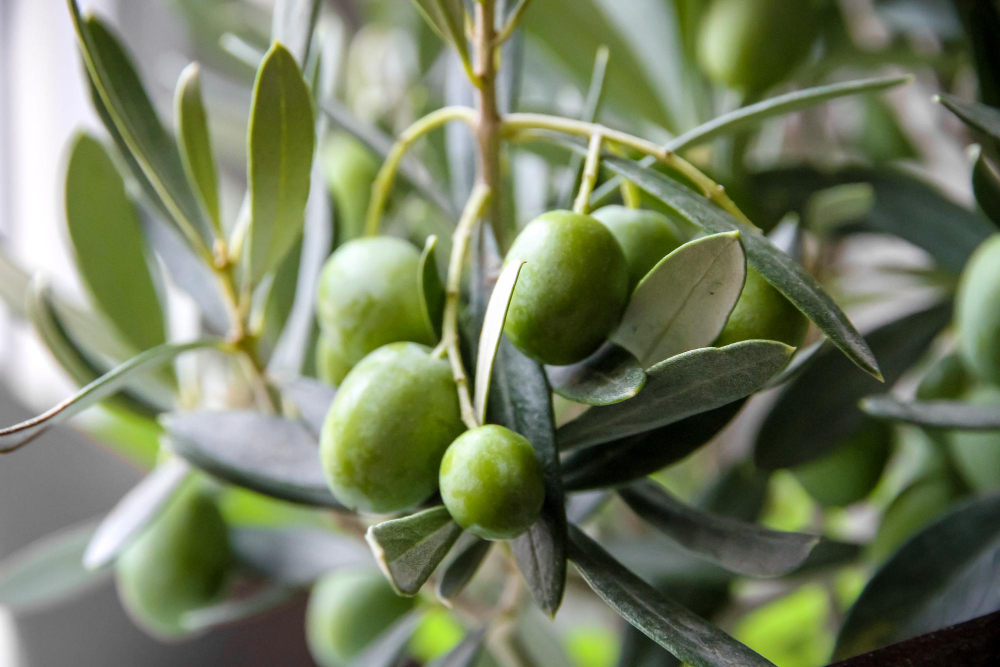
The olive oil industry is experiencing ongoing changes due to various factors such as climate shifts, economic fluctuations, and technological advancements. These changes directly affect the production and marketing of olive oil.
Impact of Climate Changes:
- Effect on Crops: Climate changes, such as rising temperatures and shifting rainfall patterns, can impact the quality and quantity of olive production.
- Increased Costs: Climate disruption may lead to higher production costs due to the need for new technologies to adapt to changing climatic conditions.
Economic Changes:
- Price Fluctuations: Changes in supply and demand can lead to price volatility in olive oil, affecting the profitability and financial sustainability of producing companies.
- International Trade: International trade policies and exchange rate fluctuations can influence the export and import of olive oil.
Technological Advancements:
- Production Improvement: Technological progress can aid in enhancing farming, harvesting, and production methods, increasing efficiency and quality.
- Online Marketing: Using the internet and social media to market olive oil products allows access to a broader consumer base and boosts sales.
Industry Response to Changes:
- Innovation: Companies need to innovate and adopt new agricultural practices and production technologies to adapt to changes.
- Awareness: Increasing awareness about the importance of sustainable agriculture and the impacts of climate change can help protect the olive oil industry.